

Counter-Strike 2 remains one of the most competitive tactical shooters on the market, but its reputation for hostile player behavior continues to challenge the community. The game's team-based structure means that individual performance directly impacts collective success, and when frustration builds, toxicity often follows. Understanding the roots of this problem and knowing how to address it can significantly improve your experience both as a player and teammate.
Table of Contents
- The Reality of CS2 Toxicity
- Why Toxicity Flourishes in Counter-Strike
- Toxicity Across All Skill Levels
- How to Protect Yourself from Toxic Players
- Breaking Your Own Toxic Habits
- The Role of Platform Enforcement
- Building a Better CS2 Community
- Frequently Asked Questions
The Reality of CS2 Toxicity
Counter-Strike 2 undeniably has a toxicity problem. The competitive nature of the game creates an environment where emotions run high, and losing rounds—especially when caused by a teammate's mistake—can trigger harsh language and negative behavior. The issue manifests in different ways, ranging from relatively harmless trash talk to genuinely harmful insults that cross ethical lines.
Basic insults like telling teammates they performed poorly are common but ultimately unhelpful. Calling opponents "bots" sits in a gray area: it might frustrate enemies into making mistakes, or it might motivate them to prove you wrong. The real problem emerges when players escalate beyond competitive banter into territory that causes genuine harm to others' gaming experience.
Why Toxicity Flourishes in Counter-Strike
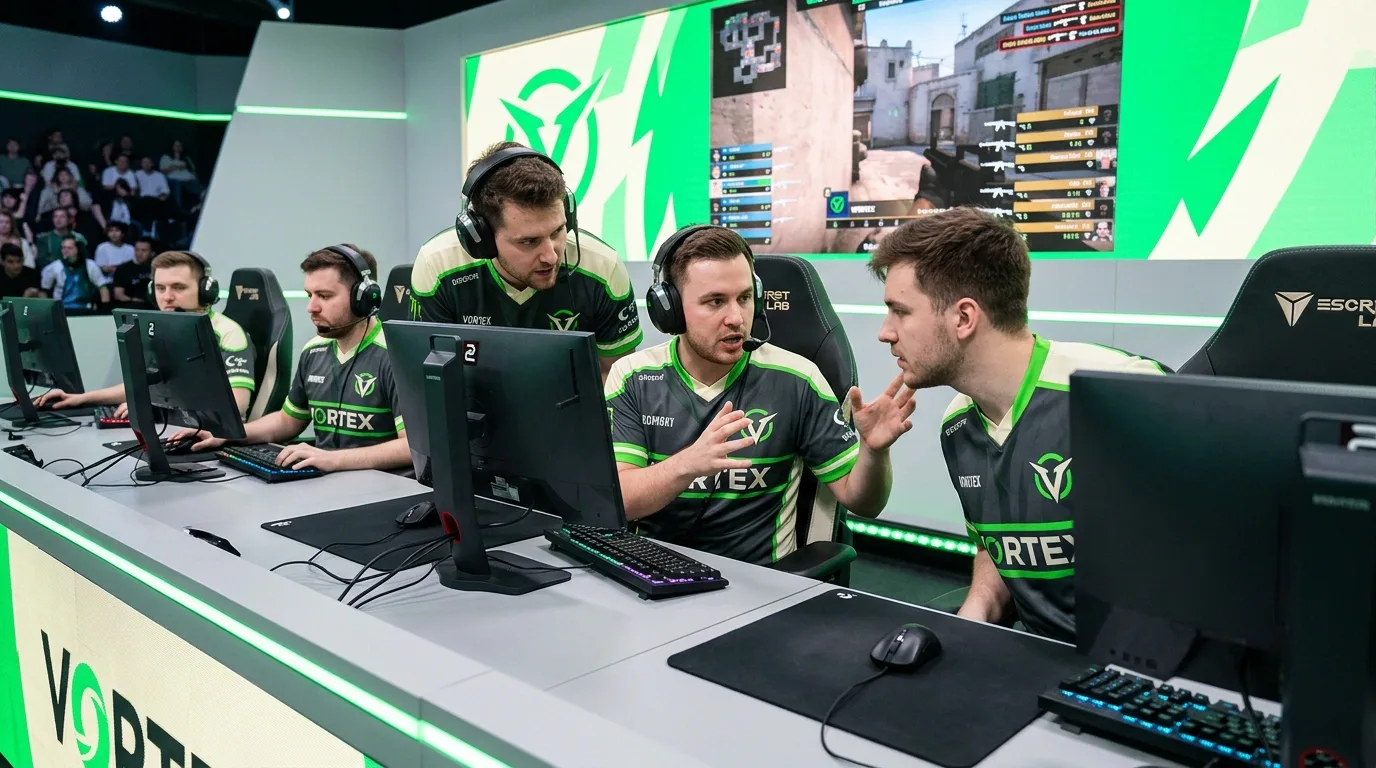
The structural design of Counter-Strike 2 creates conditions where toxicity thrives. Unlike games where individual performance can carry a match, CS2 demands coordinated teamwork. A single player's poor decision or failed execution can doom an entire team's round, creating frustration that builds across multiple losses.
Valve's moderation approach has historically been lenient regarding toxic behavior. The company rarely issues bans purely for in-game verbal abuse, which means players face minimal consequences for hostile communication. This lack of enforcement sends a message that toxicity is tolerable, allowing it to persist as a cultural norm within the game.
The anonymous nature of online gaming reduces social accountability. Players feel emboldened to say things they would never say face-to-face, creating a disconnect between their in-game persona and their real-world behavior.
Toxicity Across All Skill Levels
One of the most troubling aspects of CS2 toxicity is its prevalence at every competitive tier. Whether you're playing in 5,000 rank Premier matches or climbing toward 25,000 rank, you're equally likely to encounter hostile teammates. The problem isn't confined to lower skill brackets where frustration might be understandable—it exists at the professional level as well.
Notable professional players have faced reputational damage due to perceived toxic behavior on servers. These incidents demonstrate that even at the highest levels of competition, where players should understand the value of teamwork, toxicity remains a persistent issue. The consequences for top-tier players can be significant, affecting sponsorship opportunities and team invitations.
Platforms like FACEIT attempt to enforce stricter behavioral standards by banning toxic players, but this deterrent isn't universal. Determined players simply create new accounts or find workarounds, continuing their hostile behavior despite platform consequences.
How to Protect Yourself from Toxic Players
If you find yourself facing toxic teammates during matches, you have practical options for minimizing the impact on your experience. The most effective solution is to mute individual players rather than disabling voice chat entirely. Most games allow you to block communications from specific teammates, preventing both voice messages and text chat from reaching you.
This approach does come with a trade-off: you'll also miss any legitimate tactical callouts that player might make. However, if someone is primarily focused on flaming rather than communicating useful information, the benefit of silence outweighs the loss of occasional callouts.
Attempting to vote-kick a toxic player is another option, though success rates are low. If the toxic player queued with another teammate, a kick vote will almost certainly fail. This makes muting the more reliable choice for most situations.
You can report players through the game's reporting system, though the effectiveness depends on how seriously the platform takes behavioral violations. Documentation of repeated toxic behavior may eventually result in action, but immediate relief typically requires using the mute function.
Breaking Your Own Toxic Habits
Many players recognize that they themselves contribute to the toxicity problem. If you struggle to control your frustration when teammates underperform, addressing this behavior will improve both your win rate and your mental health.
The first step is acknowledging that toxicity costs you more elo than it gains. Venting frustration at teammates reduces their motivation to play well, and in some cases, it causes them to intentionally throw rounds. Even if flaming temporarily relieves your stress, the long-term impact on your ranking is negative.
When teammates make mistakes, a practical strategy is to mute your microphone, vent privately if needed, but never direct that frustration at them. This allows you emotional release without damaging team morale. Toxicity isn't limited to obvious insults either—passive-aggressive comments, heavy sighing on the microphone, or sarcastic questions about teammates' decisions all create the same demoralizing effect.
Shifting your focus to your own performance is equally important. You can't control your teammates' aim or decision-making. Concentrating on your role, improving your positioning, and securing impactful kills gives you the best chance of winning rounds. This mindset removes the temptation to blame others and keeps you engaged with aspects of the game you can actually influence.
The Role of Platform Enforcement
Different platforms take varying approaches to toxicity enforcement. FACEIT maintains stricter behavioral standards and actively bans players for toxic conduct. However, even with platform-level enforcement, determined toxic players find ways to continue their behavior through new accounts or less-monitored platforms.
Valve's official matchmaking system historically has been more permissive, focusing enforcement on cheating and griefing rather than verbal abuse. This difference in philosophy means that players seeking a less toxic experience might gravitate toward third-party platforms with stronger moderation, though these platforms come with their own trade-offs in terms of player base size and queue times.
Resources like CS2REF provide players with community information and guides on navigating the competitive landscape, including tips for finding communities with healthier behavioral standards.
Building a Better CS2 Community
Reducing toxicity in Counter-Strike 2 requires effort from multiple stakeholders. Players can contribute by consciously choosing not to flame teammates, recognizing that competitiveness and respect aren't mutually exclusive. Professional players and content creators have particular influence—their behavior sets cultural norms that trickle down through the community.
Platforms can implement stronger enforcement mechanisms without necessarily banning players permanently. Temporary suspensions, communication restrictions, and behavioral warnings can create consequences that discourage toxic conduct without excluding people from the game entirely.
Community-led initiatives, such as organized tournaments with explicit behavioral expectations or mentorship programs pairing new players with experienced ones who model positive communication, can gradually shift the culture. These grassroots efforts often prove more effective than top-down mandates.
The competitive nature of CS2 will always generate emotional moments, but the intensity of competition doesn't require players to be cruel to one another. Building a community where fierce competition coexists with mutual respect is possible—it just requires intentional effort from everyone involved.
Frequently Asked Questions
Is muting teammates in CS2 a good strategy?
Yes, muting toxic teammates is one of the most effective ways to maintain focus and mental health during matches. While you'll miss some callouts from that player, avoiding constant negative comments typically provides a net benefit to your performance and experience.
Can Valve ban players for being toxic in CS2?
Valve rarely issues bans purely for toxic behavior. The company prioritizes enforcement against cheating and griefing rather than verbal abuse, though this approach is a point of ongoing debate within the community.
Does toxicity affect professional CS2 players?
Absolutely. Professional players with reputations for toxicity have faced real consequences, including missed sponsorship opportunities and reduced team invitations. This demonstrates that even at the highest levels, behavioral standards matter.
How can I stop being toxic when my teammates make mistakes?
Focus on your own role and performance. Mute your microphone if you need to vent, but never direct frustration at teammates. Concentrate on plays you can control rather than blaming others for their performance.
Are some CS2 platforms less toxic than others?
Platforms with stricter enforcement, like FACEIT, tend to have lower toxicity rates than Valve's official matchmaking. However, determined toxic players can still find ways around these restrictions through new accounts.
What's the relationship between competitiveness and toxicity in CS2?
High competition doesn't require toxicity. Players can be intensely competitive while maintaining respect for teammates and opponents. The two qualities are separate and don't need to coexist.
📦 Key-Drop — The #1 CS2 Case Opening Platform
2,700+ Cases • Provably Fair • Daily Free Cases • Instant Withdrawals • 8M+ Users
Get 20% Bonus — Code: LOOT